Wisdom teeth removal is a very common dental procedure. These teeth, also known as third molars, usually appear between the ages of 17 and 25.
Many people need them removed because they cause pain, crowding, or infections. After the surgery, the mouth becomes sensitive, and eating can be uncomfortable. Choosing the right foods is important for healing, comfort, and preventing complications such as dry socket. It is normal to wonder what you can safely eat after the surgery, especially during the first few days when chewing is difficult. Soft foods, liquids, and high-nutrition meals are usually recommended.
This article explains in simple words what foods are safe, what foods to avoid, when to change your diet, and how to take care of yourself after wisdom teeth removal. It also includes helpful tips, examples, and answers to common questions people ask during recovery.
Understanding Wisdom Teeth Removal Recovery
Wisdom teeth removal involves making a small incision or extraction in the gums to remove the tooth from the jaw. Because this area is sensitive, the body needs time to heal. The recovery process usually lasts one to two weeks, but most people feel better after three to five days. During recovery, the gums may be sore, swollen, or bleeding slightly. Eating the wrong foods can irritate the area, cause pain, or even damage the healing site. That is why dentists recommend soft and easy-to-chew foods at the beginning. Recovery also includes managing pain, controlling swelling, and keeping the mouth clean. Rest is also important because the body heals better when it is relaxed and free from stress. Understanding each stage of healing makes it easier to choose the right foods and avoid unnecessary problems.
Why Food Matters After Wisdom Teeth Removal?
Food plays a big role in the healing process. Eating soft and nutritious foods helps the body repair tissue, fight infection, and maintain energy. Hard or sticky foods can get stuck in the extraction site and cause irritation or infection. Certain foods may also break the blood clot that forms in the empty socket, leading to dry socket, a painful condition. Because chewing is difficult at first, choosing foods that are gentle and smooth reduces discomfort. The right foods also prevent dehydration, support immune function, and keep you feeling full even when your diet is limited. By selecting the proper meals, you give your mouth the best chance to heal quickly and safely.
Best Foods to Eat Right After Wisdom Teeth Removal
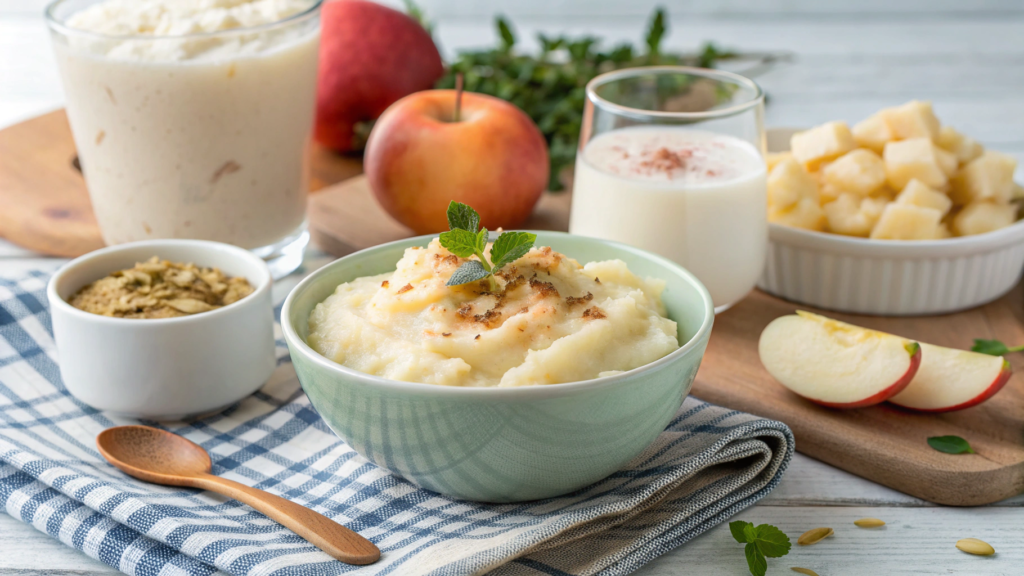
During the first 24 to 48 hours, the mouth is very tender. Soft, liquid, and smooth foods are the safest options. Foods like yogurt, applesauce, and pudding are easy to swallow and do not require chewing. Smooth soups are also a good choice as long as they are not too hot. Mashed potatoes, smoothies, and blended vegetables are helpful because they provide nutrition without irritating the surgical area. Another widely recommended option is ice cream or frozen yogurt because cold foods help reduce swelling. Protein shakes can also be used when you want more strength and energy. These foods make eating easier while still giving your body the nutrients it needs.
Soft Foods for the First Few Days
Once the initial pain and swelling begin to decrease, usually after two or three days, slightly soft foods can be added. Scrambled eggs are gentle and provide protein to help healing. Oatmeal, soft rice, and mashed bananas are good choices because they have smooth textures. Well-cooked pasta, like macaroni or noodles, can also be eaten if they are very soft and not chewy. Cottage cheese, pureed vegetables, and soft bread soaked in broth may also work for many people. These foods help you transition back to regular eating without stressing the healing gums.
Foods to Avoid After Wisdom Teeth Removal
Avoiding certain foods is just as important as choosing the right ones. Hard foods like nuts, chips, popcorn, and raw vegetables can irritate the gums and cause pain. Spicy foods may burn the healing area. Crunchy foods can break the blood clot and lead to dry socket. Sticky foods such as chewing gum or caramel can pull at the surgical site. Acidic foods like citrus fruits can sting the gums and slow healing. Very hot foods should also be avoided because heat may cause bleeding. Drinking through a straw is strongly discouraged because suction may dislodge the blood clot. Following these rules helps protect the healing area and prevents complications.
Hydration After Wisdom Teeth Removal
Staying hydrated is necessary for recovery. Drinking enough water helps reduce infection risk and supports the healing tissues. Sipping cold water can also ease swelling and provide relief. Avoid carbonated drinks, alcohol, energy drinks, and very hot beverages during the first few days. Soft drinks may irritate the wound, while alcohol interferes with medication and slows healing. Smooth juices, milk, broth, and electrolyte drinks can be consumed as long as they are not acidic. Taking small sips frequently is better than drinking large amounts at once.
Nutrition Tips for Faster Healing
Good nutrition helps the body recover more quickly. Protein plays a major role in tissue repair, so including foods like yogurt, eggs, protein shakes, and soft beans can help. Vitamins are also important, especially vitamin C, which helps healing and boosts immunity. Smoothies with soft fruits like bananas or strawberries provide natural nourishment. Healthy fats from avocado or nut butters can be eaten if they are blended. Iron-rich foods like pureed spinach also help the body regain strength. The goal is to choose foods that are soft, nutritious, and easy to eat.
Smoothies and Soft Meal Ideas
Smoothies are excellent because they provide nutrients without requiring chewing. A banana smoothie with yogurt and milk is gentle and filling. A strawberry smoothie with blended oats gives energy and is easy on the mouth. You can also try vegetable smoothies with cooked carrots or spinach blended into a creamy drink. Other soft meal ideas include mashed potatoes with butter, pureed soups, and soft pancakes soaked in milk. Applesauce combined with cinnamon, soft tofu dishes, and creamy risotto are also safe and satisfying options. These foods keep you full without causing discomfort.
When to Reintroduce Regular Foods?
Most people can start eating slightly firmer foods after one week, but this depends on their healing speed. Soft chicken, soft-cooked vegetables, and small pasta pieces may be added slowly. Chewing should be done gently and away from the extraction site. Hard or crunchy foods should still be avoided until your dentist confirms that the area is healed. Full normal eating often resumes after two weeks, but it may take longer for some people. Listening to your mouth and taking things slowly prevents pain and complications.
Tips for Eating Comfortably After Surgery
Eating after wisdom teeth removal may feel uncomfortable, but a few simple tips can make it easier. Always chew on the opposite side of the extraction area. Take small bites and eat slowly. Avoid talking while eating to reduce pressure on the jaw. Use a spoon instead of biting directly into food. Try lukewarm foods rather than very hot or cold ones if sensitivity is present. If pain increases while eating, switch back to softer foods for a day or two. These tips help make eating more comfortable and prevent irritation.
Keeping the Mouth Clean After Eating
Proper oral hygiene is important, but the mouth must be cleaned gently. Do not rinse or spit forcefully during the first 24 hours because it may remove the blood clot. After one day, rinse gently with warm salt water. Brush your teeth softly but avoid the extraction site for the first few days. After each meal, rinse gently to remove food particles. Keeping the mouth clean helps prevent infection and speeds up healing. Using a soft-bristled toothbrush is recommended until full recovery.
Common Eating Mistakes to Avoid
Some mistakes can slow healing or cause complications. Eating too soon or choosing the wrong foods can cause bleeding or pain. Drinking through a straw is one of the biggest mistakes because suction can cause dry socket. Many people also forget to avoid nuts, seeds, or crunchy snacks, which can get stuck in the wound. Eating spicy or acidic foods too early is another common issue. Another mistake is not drinking enough water or skipping meals due to fear of pain. Avoiding these mistakes keeps recovery smooth and comfortable.
How Long Pain Affects Eating?
Pain after wisdom teeth removal varies from person to person. Most people feel discomfort for two or three days. Swelling may last longer, making eating a bit challenging. Pain usually becomes mild after a few days and continues to decrease as healing progresses. If pain gets worse instead of better, it may be a sign of infection or dry socket. Eating soft foods during this time helps avoid unnecessary discomfort. Pain medication, as prescribed by your dentist, can also make eating easier.
The Role of Ice Cream and Cold Foods
Cold foods like ice cream, frozen yogurt, and popsicles help numb the mouth and reduce swelling. They also make eating more pleasant when the gums are sore. However, ice cream with nuts or crunchy toppings should be avoided. Soft, plain ice cream is safe, but eating too much sugary food is not good for healing. Cold fruit smoothies or chilled applesauce are good alternatives. Cold foods are helpful during the first 24 to 48 hours, but they should not replace balanced meals.
Foods That Help Reduce Swelling
Some foods naturally reduce inflammation and support healing. Smooth applesauce, blended berries, and soft foods rich in antioxidants help lower swelling. Omega-3 rich foods like soft fish or blended flaxseed may also help if your diet allows. Turmeric added to soft soups can provide anti-inflammatory benefits. Ginger tea, cooled to a comfortable temperature, can also help decrease swelling. Choosing foods with anti-inflammatory properties helps the mouth recover faster and eases discomfort.
What to Eat If You Feel Nauseous?
Sometimes medications after surgery cause nausea. If this happens, stick to clear liquids such as water, broth, or mild herbal tea. You can also sip ginger water or eat small amounts of applesauce. Avoid heavy or greasy foods until nausea fades. Eating small meals more often instead of large meals can help. Once nausea improves, return to soft foods like mashed potatoes or oatmeal. Listening to your body helps prevent discomfort and supports better healing.
When to Call the Dentist About Eating Problems?
If you cannot eat anything at all for more than a day due to severe pain or swelling, you should contact your dentist. Another reason to call is if food consistently gets stuck in the extraction area despite gentle rinsing. If swallowing becomes difficult or if bleeding increases while eating, you should also seek help. Signs of infection, such as fever, bad taste, or increasing pain, require immediate attention. A dentist can provide guidance, medication, or treatment if necessary.
Conclusion
Eating the right foods after wisdom teeth removal is essential for a smooth and safe recovery.
Soft, gentle, and nutritious foods help the mouth heal while reducing pain and irritation. Avoiding crunchy, spicy, or sticky foods prevents complications and keeps the extraction site clean. Hydration, good nutrition, and careful eating habits support the body’s natural healing process. By understanding what to eat and what to avoid, you can recover faster, feel more comfortable, and protect your mouth from infection or dry socket.
Choosing the right meals during each stage of healing makes the recovery journey easier and healthier.
Frequently Asked Questions
1. What foods are safe to eat right after wisdom teeth removal?
Safe foods include yogurt, applesauce, smoothies, mashed potatoes, pudding, and soft soups. These foods do not require chewing and are gentle on the healing gums.
2. When can I start eating normal foods again?
Most people can begin eating slightly firmer foods after one week. Full normal eating usually returns after two weeks depending on healing.
3. Can I drink through a straw after surgery?
No, using a straw can cause suction that removes the blood clot and leads to dry socket. Avoid straws for at least one week.
4. Are cold foods good for recovery?
Yes, cold foods like ice cream and popsicles can reduce swelling and numb the mouth, making eating more comfortable.
5. What foods should I avoid after wisdom teeth removal?
Avoid nuts, chips, popcorn, spicy foods, sticky candy, acidic foods, and very hot foods. These can irritate the wound or cause complications.
6. Can I eat meat after wisdom teeth removal?
You can eat very soft meats like shredded chicken or fish after a few days. Avoid chewy or tough meats until recovery is complete.
7. How can I eat without causing pain?
Choose soft foods, chew on the opposite side, eat slowly, and avoid hot or spicy foods. Pain medicine can also help make eating easier.
8. What should I do if food gets stuck in the extraction site?
Rinse gently with warm salt water after the first 24 hours. Do not use sharp tools to remove food. If it keeps happening, contact your dentist.
9. Can I drink coffee after wisdom teeth removal?
You can drink coffee once it is lukewarm. Avoid very hot coffee because heat can cause bleeding and irritation.
10. What helps the mouth heal faster?
Eating soft nutritious foods, staying hydrated, resting, and keeping the mouth clean all help the mouth heal faster.